Chiropractic & Movement
Hands-on care for pain and stiffness, 30 minutes rather than 10, and a plan for why it happened in the first place.
What does an appointment involve?
Assessment first, then hands-on treatment, then a plan. A typical session runs 30 minutes, and your first consultation and the Movement Plan Analysis are a full hour, because there is more to work through.
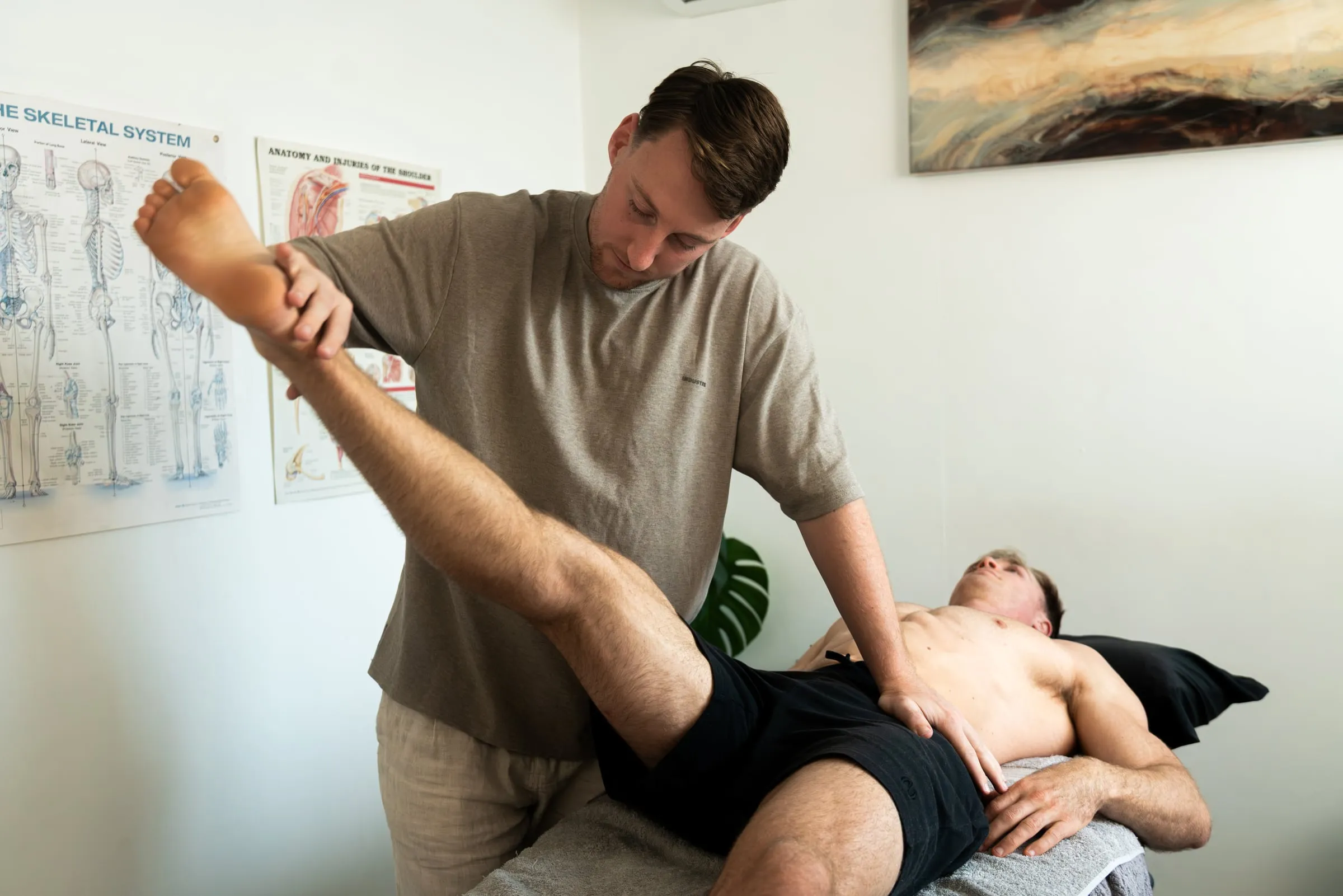
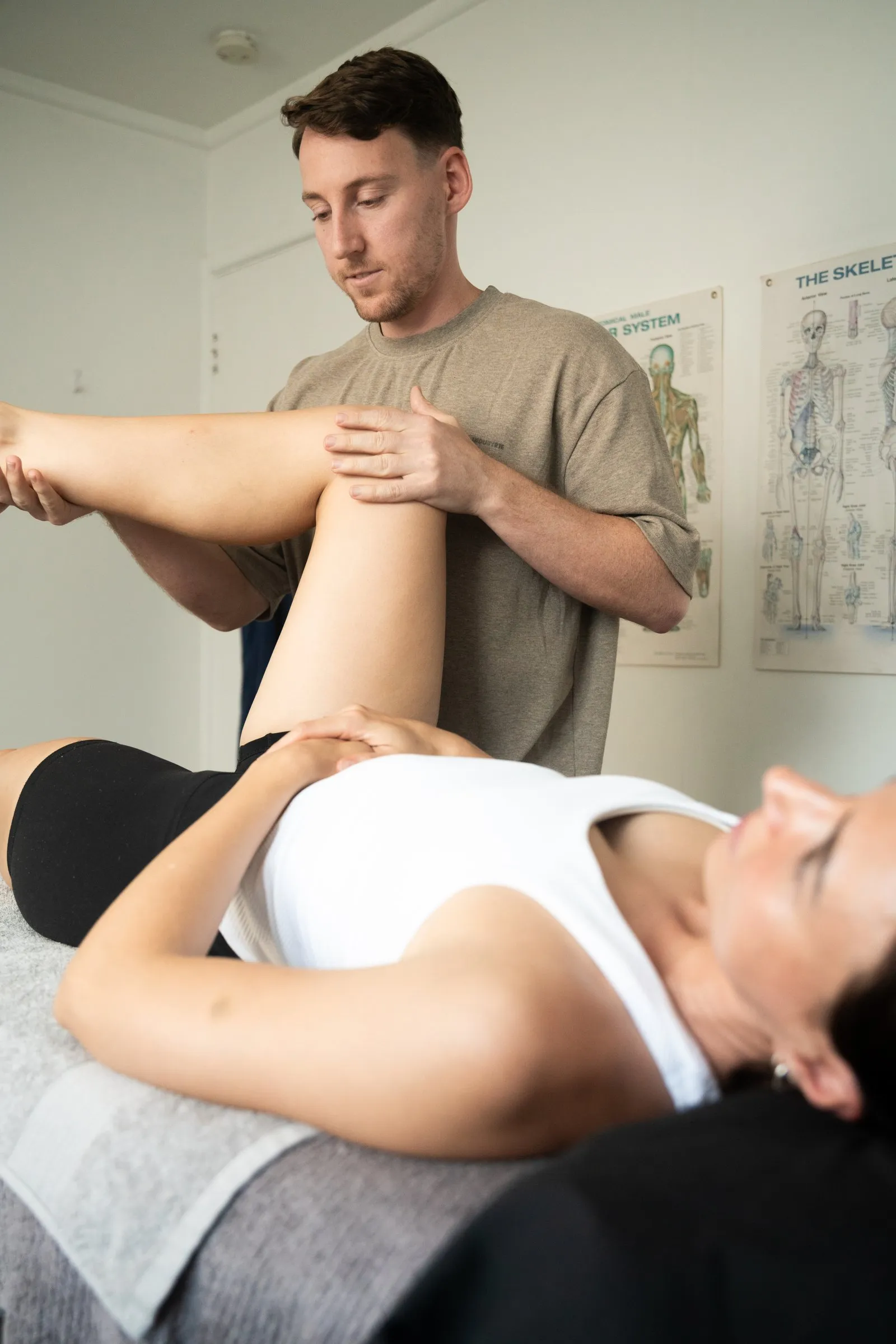
A usual visit starts with a warm-up massage while I get up to date on how you have been. From there it is joint adjustments where they are needed, hands-on muscle release, muscle testing to work out which muscles are compensating for others, and rehab you can actually do between visits.
Thirty minutes is what makes that possible rather than a ten-minute adjust and go.
Book an initial consultation
Not sure it's for you? See how your movement scores first.
What is chiropractic?
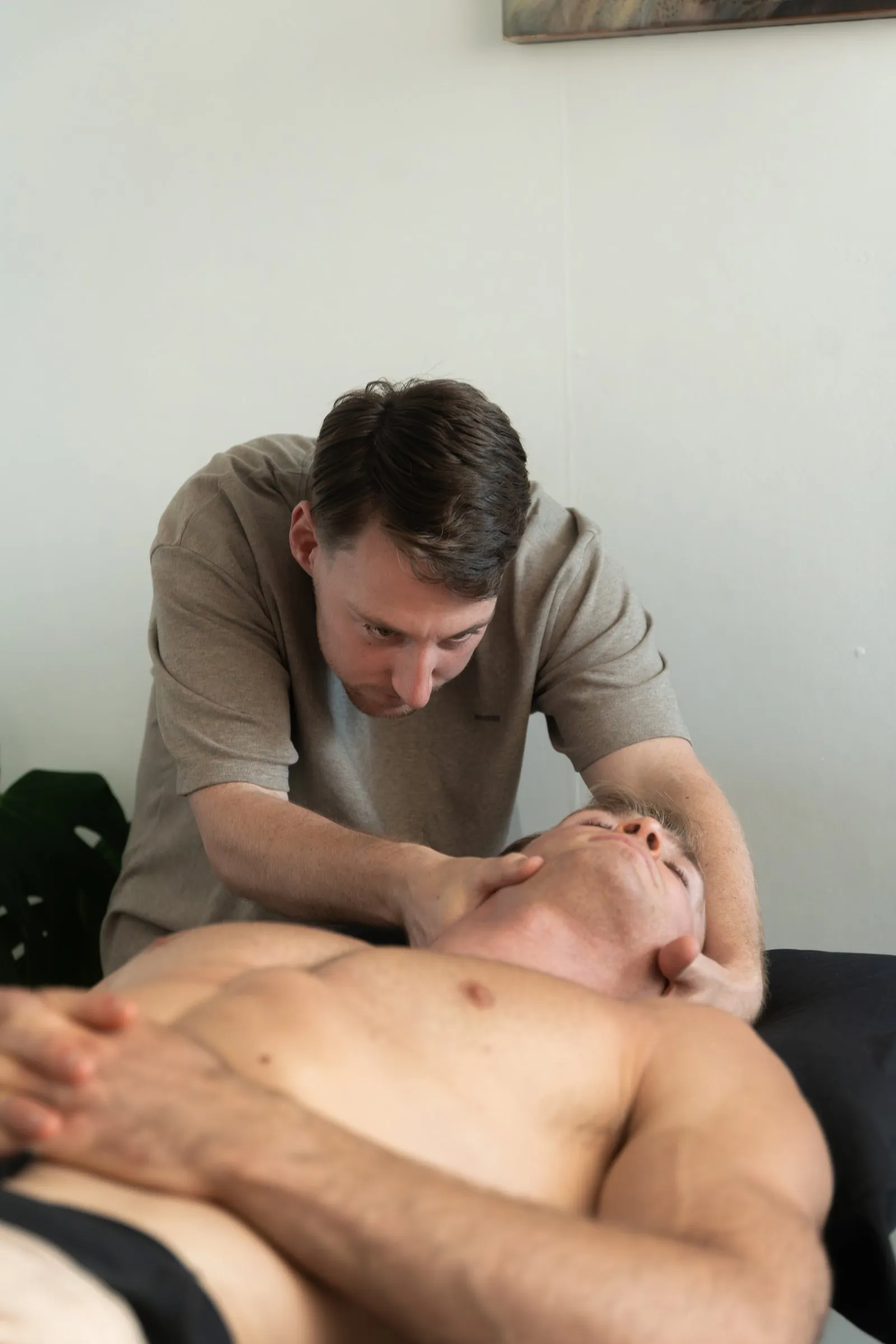
Chiropractic is a combination of two Greek words that translates as ‘Done By Hand’. Chiropractic care is a hands-on, drug-free approach to health that focuses on the nervous, skeletal and muscular systems and how they relate to overall wellbeing. When the joints of your spine and body aren’t moving the way they should, it can result in tension, pain, discomfort and reduced performance – and that’s where chiropractic comes in.
Using gentle, targeted adjustments, chiropractic care works to restore proper movement, reduce pain, and support your body’s natural ability to heal. Whether you’re dealing with a niggling back problem, recovering from an injury, managing a sports load, or simply want to stay on top of your health – chiropractic can play a valuable role at every stage of life, for every kind of body.
I blend the best of clinical evidence with a whole-body perspective, so you’re never just treated as a set of symptoms. I take the time to understand what’s going on, explain what I find, and work with you toward lasting results – not just short-term relief.
Why am I different?
I see every patient for 30-minute appointments, and I treat the whole picture rather than the spine alone. Traditional chiropractic tends to follow a pretty set formula – short appointments, high frequency, and a heavy focus on spinal adjustments. Many chiropractors see patients for as little as 10 minutes, expect multiple visits a week early on, and then keep you coming back indefinitely for "maintenance care." And in those appointments, it’s usually just the adjustment – a quick pop and crack, and you’re done.
I do things differently, because I believe you can’t do a proper job in 10 minutes. In that time, I’m not just working on your spine – I look at the whole picture. If your shoulder, hip, or knee is part of the problem, we address it. I combine spinal and joint adjustments with hands-on muscle release and massage, because muscles and joints work together and ignoring one while treating the other only gets you so far. I also place a big emphasis on specific, targeted rehabilitation exercises based on what I actually find in your assessment – not a generic sheet handed to everyone.
The result of this more thorough approach is that most of my patients need fewer visits overall and get better faster. My goal is to get you out of my clinic and back to your life – not to keep you coming back indefinitely.
Why does mobility matter if I am not in pain?
Because restricted range of motion is what puts most people back in pain later. As a chiropractor, I work with people every day whose pain, dysfunction or performance limitations stem from restricted range of motion (and strength within their available range of motion). Addressing this in the treatment room is one thing, but what my patients often need to stay out of pain over the long term is a dedicated plan to build lasting and functional mobility.
Beginning with a thorough flexibility and mobility analysis, I’ll map out precisely where your restrictions are and why, then build you a detailed, personalised program to systematically address them. From there, regular check-ins keep your progress on track and your plan evolving as you do.
A word on what the goal actually is. For most people it is not yoga flexibility or gymnast flexibility, and it does not need to be. Improving the few areas that are genuinely holding you back is what changes how you move day to day. If elite flexibility is what you are after, that is a longer project, and I can help with that too.
This service is naturally integrated into the care of all my clients. If you come to me with no pain or injuries, we focus on this side of care. If you are in pain or have an injury, we will focus more on using regular chiropractic care to address it then naturally progress you to functional mobility goals. Either way, you’re getting something that a generic yoga or pilates class simply can’t offer – a plan specifically built for your body and your goals that meets you at the right point in your movement health journey.
What will it cost, and what do I get?
Initial consultation – 1 hour, $120
Who is this for? If you suffer from long or short term pain or tension in your body and want to get to the bottom of it, then this is for you. All ages, demographics and levels of health and fitness are welcome.
What is included? A detailed verbal investigation, physical assessment, structural analysis, warm up massage, joint adjustment, muscle compensation correction and a rehab plan.
What do you need to know? Treatments are health fund rebatable for those that have chiropractic care cover as an extra. This can be claimed immediately at payment or post payment with an invoice. Patient gowns are provided although comfortable and mobile pants are recommended. Treatment modalities can be declined if you do not wish to use them although this may alter results. I will always discuss your treatment options and obtain informed consent before proceeding with a technique or modality.
Book an initial consultation
Follow-up consultation – 30 minutes, $95
Who is this for? If you have already seen me in an initial consult in the past and are returning for further treatment of a new or old condition, problem or injury.
What is included? These consults start with a warm up massage where I get up to date on your progress since last session. This is followed by a reassessment of your musculoskeletal structure and a retesting of any joint compensations. We then proceed to joint adjustments and active muscle release or dry needling to address any current dysfunction in your body. We then finish with a rehab plan update if this is needed.
Book a follow-up consultation
Movement Plan Analysis – 1 hour, $160
Who is this for? If you are not in pain right now but you want to understand your body’s limitations and build a plan around them. This is the dedicated version of the mobility work above: a full analysis session that produces your personalised routine.
How does it work? I will analyse and treat your body for any joint or muscle dysfunction using chiropractic skills to create the best environment for mobility progress. We will then test different flexibility positions which I will use to formulate the most efficient mobility routine for you to follow and increase your range of motion.
What you need to know. Health funds with chiropractic cover included can claim a rebate at time of payment or afterwards through an invoice. Comfortable and non-restrictive clothing such as active wear is required.
Start with the free Movement Screen
Book a Movement Plan Analysis
If a plan between visits would be useful, I can also set it up in the patient app. Your exercises, rehabilitation and progress can sit together in one place, so you can refer back to them at home. It is optional, and care does not depend on using it. See how care can work between visits.
Frequently Asked Questions
Does the adjustment hurt?
Most people find chiropractic treatment comfortable, and many leave feeling immediate relief. Some techniques involve a bit of firm pressure, and occasionally you might feel a little sore afterward (similar to how you’d feel after a good workout). I always work within your comfort level and adjust my approach based on your feedback, so please never hesitate to speak up.
Do you just crack backs?
The "cracking" sound you might have heard about is simply gas releasing from a joint as it moves – it’s a harmless yet satisfying side effect of what we are really trying to achieve – joint movement! Adjustments are just one tool in my kit. Depending on what you need, I may also use softer techniques that involve no cracking at all, so if the idea of it makes you nervous, just let me know.
Is Chiropractic safe?
Yes! Chiropractic is one of the most thoroughly researched and widely used forms of manual therapy in the world. It has an excellent safety record, particularly for common complaints like back and neck pain. Before any treatment, I’ll always take a thorough history and assessment to make sure chiropractic is appropriate for you. If I ever feel something is outside my scope or needs further investigation, I’ll tell you and refer you to the right person. Chiropractors actually have the lowest insurance premiums of any healthcare profession in Australia!
How much training do chiropractors have?
Chiropractors in Australia complete a minimum five-year university degree, which includes extensive study in anatomy, physiology, neurology, pathology, radiology, and clinical practice. We’re registered health professionals regulated by AHPRA, the same body that oversees doctors, physios, and nurses. So while we might be best known for back cracking, there’s a lot of science behind what we do! I graduated from Macquarie University in 2023 with a Bachelors and Masters of Chiropractic Science. Since then I have worked as a registered Chiropractor and continued to learn through experience and post graduate study.
How are Chiropractors, Physiotherapists and Osteopaths different?
All three professions work with the muscles and joints to reduce pain and improve how your body moves – there’s more overlap than most people realise. Traditionally, chiropractors are known for spinal adjustments, physios for exercise rehab, and osteopaths for whole-body manual therapy, but in practice the lines are pretty blurry. My style sits somewhere in the middle – I’m registered as a chiropractor, but I incorporate a lot of muscle testing, muscle release, and targeted rehab that you’d more commonly associate with physiotherapy. Many of my patients tell me I feel more like a physio who also does adjustments. At the end of the day, the profession matters less than finding someone who actually listens, does a thorough assessment, and tailors care to you.
How much time do I need to dedicate to mobility for results?
Not as much time as people typically think. Most of my clients only perform one or two, 25-30 minute, dedicated sessions per week. Less is actually more with flexibility training as your body needs time to rest and adapt to the changes we are making.
How long does it take to get more flexible?
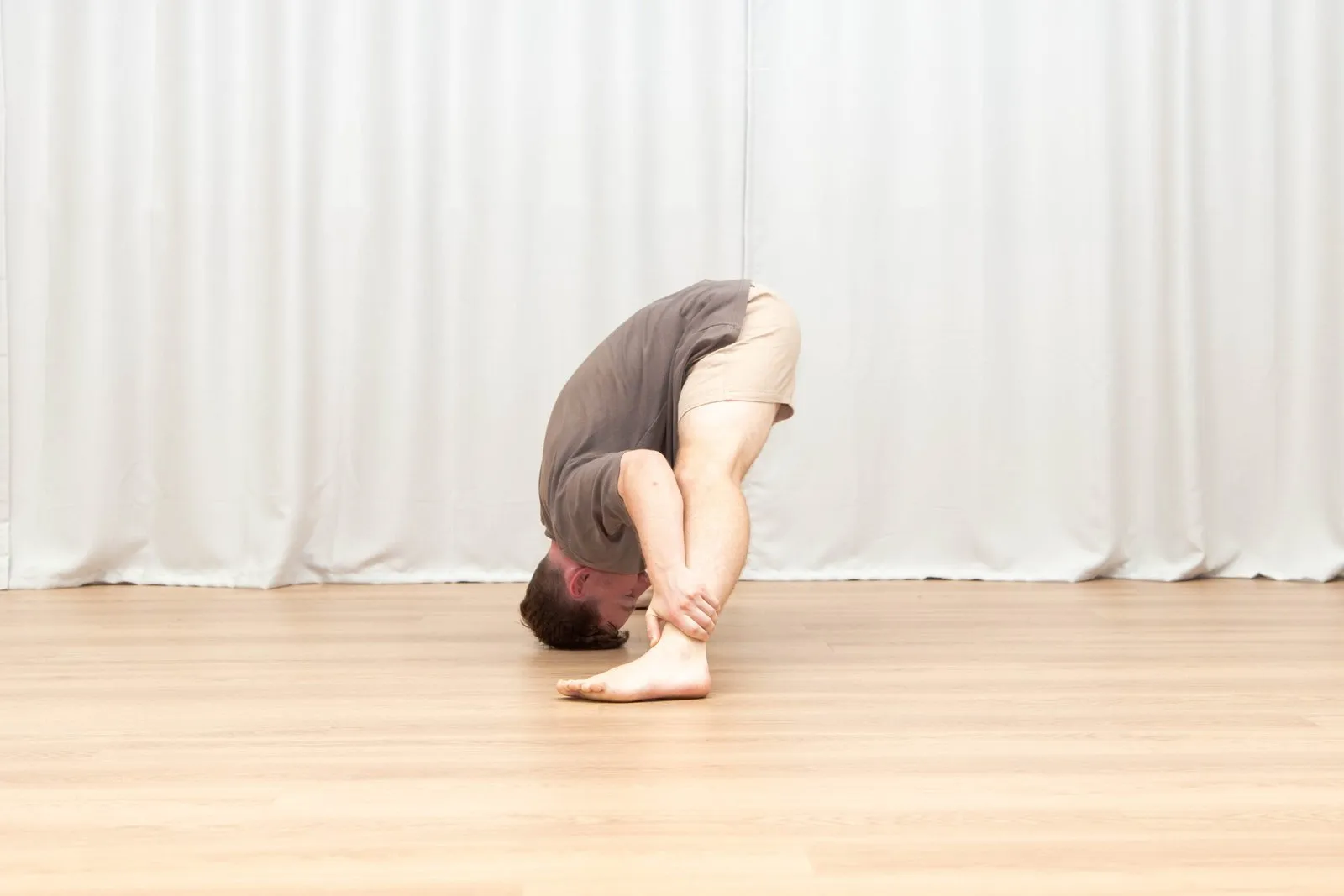
The answer to this one will always depend on the individual. I typically see clients make a big jump in progress in just the first few sessions, but then progress slows down a little (much like beginner gains in the gym when strength training). I personally only trained 2 sessions per week for 2.5 months when training for my pancake and went from sitting at almost 90 degrees and struggling to lean forwards to touching my head on the floor.
Can I incorporate mobility training around or alongside my usual training?
Yes! There are multiple ways to do it but flexibility training doesn’t take away from your strength or sport specific training. Depending on your training load, you may need to time sessions carefully, but it isn’t usually an issue. I personally train hybrid calisthenics strength training 3 times per week and I usually just add my mobility sessions at the end of two of those sessions.
Does flexibility training hurt?
No! If stretching hurts, you are either pushing it too hard, not resting enough, or have an injury or troublesome compensation pattern holding you back. I always emphasise that mobility and flexibility training should be moderately uncomfortable in the extreme ranges, but definitely not painful. Pain will cause your body to feel unsafe and hold extra tension to protect itself.
Can I claim my health fund?
Yes you can! If your private health fund has chiropractic care included, you can claim it with me (even for mobility and flexibility services). We can process it in clinic at the time of payment if you have your card with you or I can send you an invoice after the consult and you can claim it yourself if you forget your card.
Where to next?
